How Demographic and Migration Trends Are Redefining Apartment Demand in the Sunbelt for 2026


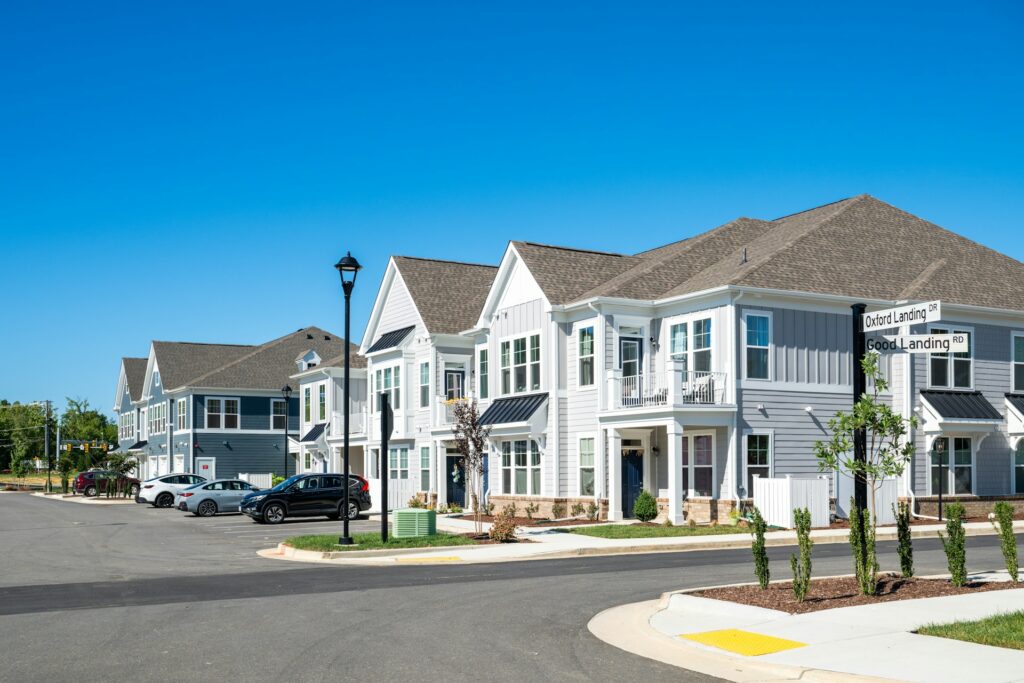
As we move into 2026, the Sunbelt continues to dominate conversations around U.S. real estate growth. Over the past few years, powerful demographic shifts and sustained migration patterns have reshaped how and where people choose to live. These changes are not slowing down. Instead, they are redefining apartment demand across the Sunbelt in more profound and more lasting ways.
From younger renters delaying homeownership to remote workers relocating for lifestyle reasons, the region’s multifamily market reflects a new reality. A single group or trend no longer drives apartment demand in the Sunbelt. Instead, it is shaped by overlapping forces that influence pricing, design, location, and long-term investment strategy. Understanding these forces is essential as the market heads into 2026.
Why the Sunbelt Remains a Migration Magnet in 2026
The Sunbelt continues to attract new residents at a pace unmatched by most other U.S. regions. States like Texas, Florida, Arizona, North Carolina, and Georgia remain top destinations for domestic migration. People continue to leave high-cost, high-tax states in search of affordability, warmer climates, and economic opportunity.
At the same time, job growth strengthens the Sunbelt’s appeal. Technology, healthcare, logistics, aerospace, and financial services companies continue to expand their footprint across the region. As new jobs appear, workers follow. Many of these newcomers choose to rent first, which immediately boosts apartment demand. Because population growth often outpaces new construction, competition for quality rental housing intensifies across primary and secondary markets.
Millennials Continue to Drive Core Apartment Demand
Millennials still represent the largest share of renters in the Sunbelt, and their influence remains strong heading into 2026. Many millennials now earn higher incomes than they did earlier in their careers. However, rising home prices and interest rates continue to delay homeownership. As a result, renting remains a practical and flexible choice.
Additionally, millennials prioritize lifestyle and convenience. They value proximity to work, entertainment, and social spaces. Sunbelt cities offer a mix of urban energy and suburban comfort, which aligns well with these preferences. Apartments with modern amenities, flexible lease terms, and community features continue to attract this group. Consequently, millennial demand supports both Class A and well-located Class B properties.
Gen Z Is Reshaping the Next Wave of Rental Demand
While millennials dominate today’s market, Gen Z is quickly becoming a significant force in apartment demand. As more Gen Z renters enter the workforce, they bring different expectations and habits. This group values walkability, digital connectivity, and authenticity in their living environments.
Sunbelt cities align well with these priorities. Many metros invest heavily in mixed-use developments, downtown revitalization, and entertainment districts. Because Gen Z renters often start with smaller budgets, demand for studios, micro units, and shared living concepts continues to grow. As this generation matures, its preferences will increasingly influence apartment design and neighborhood planning.
Remote Work Continues to Fuel Lifestyle-Driven Relocation
Remote and hybrid work models remain common as 2026 approaches. This shift allows professionals to live farther from traditional job centers without sacrificing career growth. As a result, many workers relocate to Sunbelt cities that offer a better quality of life at a lower cost.
Lifestyle-driven migration plays a significant role in apartment demand. People seek outdoor recreation, shorter commutes, and vibrant social scenes. Cities like Austin, Tampa, Phoenix, Nashville, and Raleigh meet these expectations. Since many remote workers want flexibility before settling in for the long term, renting is the logical first step. This pattern keeps apartment demand strong across both urban cores and suburban areas.
Changing Household Structures Are Extending the Renting Lifecycle
Household formation trends also shape apartment demand in the Sunbelt. People are marrying later and starting families later than previous generations. This shift extends the years spent renting, even among higher-income households. Single-person households and roommate living arrangements remain common, especially in fast-growing metro areas.
At the same time, renters increasingly seek adaptable living spaces. Apartments with flexible layouts, home office areas, and extra storage appeal to a wide range of lifestyles. Developers who design units that evolve with renters tend to see stronger occupancy and retention. As demographics continue to change, flexibility becomes a key driver of sustained demand.
Affordability Pressures Are Reshaping Market Segmentation
Although the Sunbelt remains more affordable than coastal markets, rent growth has been significant in recent years. As demand outpaces supply, affordability becomes a central concern for renters. Therefore, price sensitivity is increasingly essential in leasing decisions.
Workforce housing and mid-priced apartments are experiencing robust demand. Many renters earn stable incomes but still seek value. As a result, developers increasingly focus on Class B and attainable housing rather than luxury-only projects. This shift supports long-term market stability and reduces the risk of oversupply at the high end.
Suburban and Secondary Markets Gain Momentum
Apartment demand is no longer concentrated only in major Sunbelt cities. Suburban areas and secondary markets are gaining attention as remote work expands location flexibility. Renters look for more space, lower rents, and access to good schools and amenities.
Secondary cities benefit from spillover demand as primary metros become more expensive. Places like Huntsville, San Antonio, Greenville, and Lakeland attract renters seeking similar benefits at a lower cost. Apartments in these markets often lease up quickly because supply remains limited. As infrastructure and job growth continue, these areas play an increasingly important role in the overall Sunbelt multifamily landscape.
The Outlook for Sunbelt Apartment Demand Beyond 2026
Looking ahead, demographic and migration trends suggest that apartment demand in the Sunbelt will remain strong well beyond 2026. Population growth shows no signs of reversing, and lifestyle preferences continue to favor the region. Even if homeownership becomes more accessible, renting will remain a key part of the housing ecosystem.
Moreover, innovation in design, sustainability, and community planning will further support demand. Apartments are evolving to meet modern needs, which strengthens their long-term appeal. As a result, the Sunbelt’s multifamily market is well-positioned for continued growth, adaptability, and investment opportunities.